

- Flooring
Are Vapor Barriers for Waterproof Flooring Necessary?
November 7, 2025
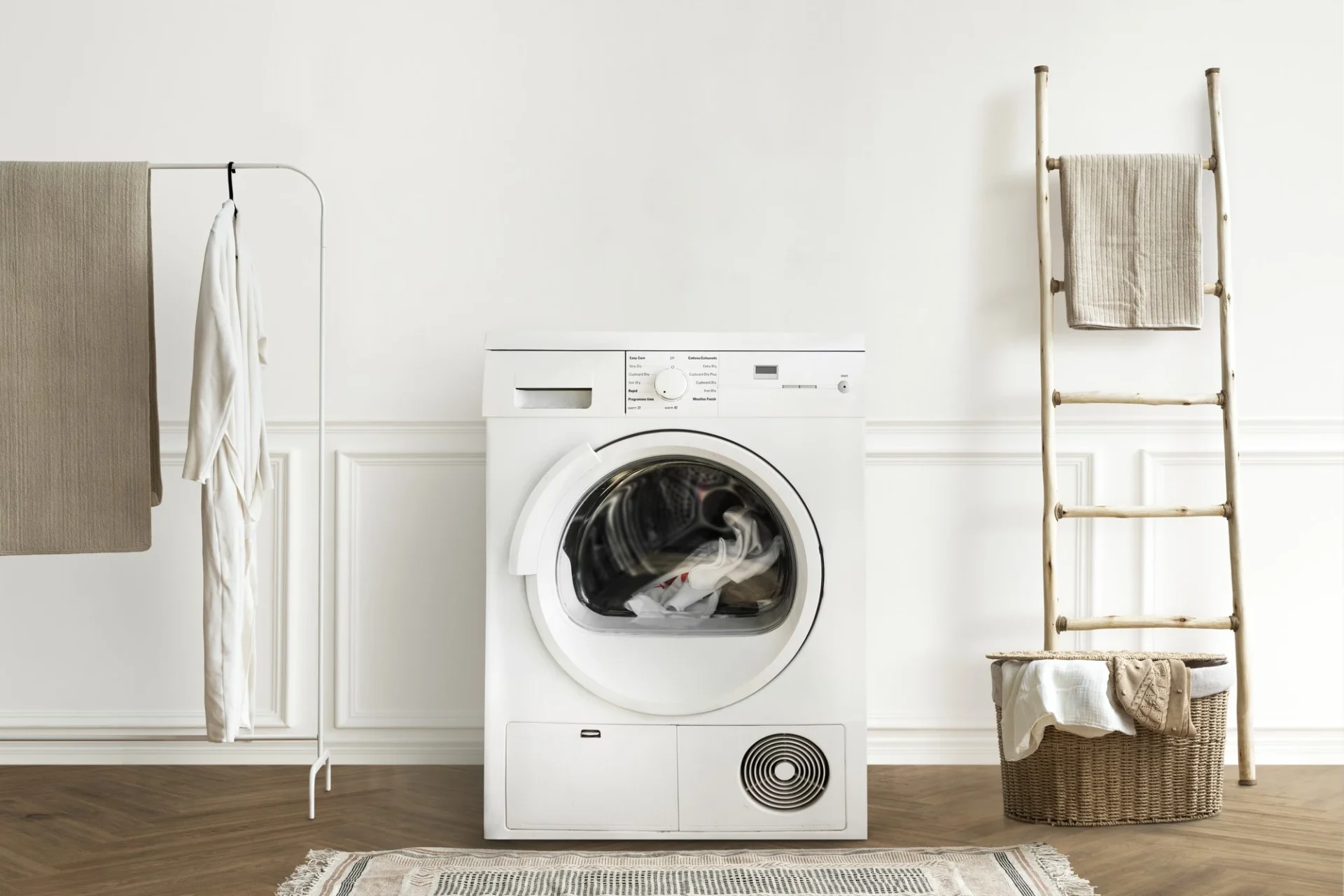
When investing in waterproof flooring options like waterproof laminate flooring or waterproof vinyl flooring, many homeowners wonder whether adding a vapor barrier is necessary or simply an extra expense. This question becomes especially relevant in Hawaii’s humid climate, where moisture management takes on heightened importance. Understanding the relationship between moisture protection systems can help you make informed decisions about your flooring installation.
Understanding vapor barriers and their function
A vapor barrier is a material designed to prevent moisture vapor from moving from one area to another—typically from the subfloor into your new flooring material. These barriers typically come in the form of plastic or foil sheets that create a moisture-impermeable layer between your subfloor and new flooring.
The primary purpose of a vapor barrier is not to protect against liquid water (that’s what waterproofing does) but rather to prevent water vapor from condensing within your flooring system where it can cause damage over time.
The misconception: “Waterproof flooring doesn’t need vapor protection”
One common misconception is that waterproof vinyl flooring or waterproof laminate flooring automatically eliminates the need for vapor barriers. While these products indeed resist water penetration from the surface, they address different moisture challenges than vapor barriers.
Surface protection vs. ground moisture
Waterproof flooring products primarily protect against:
- Spills and surface moisture
- Pet accidents
- Wet mopping and cleaning
Vapor barriers, however, address:
- Ground moisture vapor rising through concrete slabs
- Condensation forming between flooring layers
- Ambient humidity migrating through floor systems
When vapor barriers are essential with waterproof flooring
Several situations make vapor barriers particularly crucial, even with waterproof flooring products:
Concrete subfloors
Nearly all flooring manufacturers require vapor barriers when installing over concrete, regardless of the flooring’s waterproof properties. Concrete continually releases moisture vapor throughout its lifetime—a process that waterproof vinyl flooring or waterproof laminate flooring isn’t designed to address.
This becomes especially important in slab-on-grade construction common throughout Hawaii, where ground moisture can migrate directly through concrete foundations.
Below-grade installations
Basements and other below-grade installations face heightened moisture pressure from surrounding soil. While less common in Hawaii’s residential construction, any below-grade space absolutely requires vapor protection beneath waterproof flooring systems.
Homes in high-humidity coastal areas
Properties in coastal areas of Oahu, particularly in communities like Kailua and Kaneohe, experience elevated humidity levels that can drive moisture vapor through flooring systems. These conditions often necessitate comprehensive moisture management strategies, including vapor barriers.
When vapor barriers might be optional
Some specific scenarios might reduce the necessity of vapor barriers:
Installations over existing flooring
When installing waterproof vinyl flooring over certain existing floor coverings (like well-sealed tile), the existing flooring might already provide adequate vapor protection. However, this depends entirely on the condition and type of existing flooring.
Manufacturer-integrated moisture protection
Some premium waterproof laminate flooring products now come with integrated vapor barriers attached to their underlayment. These built-in systems may eliminate the need for separate vapor barrier installation, but always verify manufacturer specifications.
Engineered systems with validated testing
Certain specialized waterproof flooring systems have been engineered and tested to manage both surface water and vapor transmission without additional barriers. These typically come with specific installation requirements and warranty provisions.
The consequences of skipping vapor barriers when needed
Omitting necessary vapor barriers can lead to several problems, even with waterproof flooring:
Mold and mildew growth
While your waterproof vinyl flooring might prevent spills from penetrating downward, rising moisture vapor can become trapped beneath the flooring, creating ideal conditions for mold and mildew. This is particularly problematic in Hawaii’s warm climate, where mold can develop rapidly.
Adhesive failure
For glue-down waterproof flooring applications, excess moisture vapor can compromise adhesive bonds, leading to bubbling, peeling, or complete separation from the subfloor.
Structural damage to surrounding elements
Even when the waterproof flooring itself resists damage, trapped moisture can migrate horizontally, potentially damaging walls, baseboards, and cabinetry—particularly in tightly constructed modern homes where moisture tends to seek any available escape route.
Making the right decision for your specific situation
Determining whether your waterproof flooring installation requires a vapor barrier depends on several factors:
Manufacturer specifications
Always consult your specific flooring manufacturer’s installation guidelines. Most major producers of waterproof laminate flooring and waterproof vinyl flooring provide detailed requirements regarding vapor barriers for different installation scenarios.
Professional moisture testing
For concrete subfloors, professional moisture testing can determine specific vapor emission rates, helping identify whether standard vapor barriers provide sufficient protection or if more robust moisture mitigation systems are needed.
Local building codes
Hawaii’s building codes may specify moisture control requirements for flooring installations. Working with knowledgeable local contractors ensures compliance with these regulations.
Protect your investment with expert guidance on moisture management solutions
Understanding the complex relationship between waterproof flooring and vapor barriers requires specialized knowledge of both products and local conditions. At American Floor & Home, our flooring experts understand the unique moisture challenges faced by homeowners throughout Honolulu, Kaneohe, Kailua, Mililani, and Aiea. Visit our showrooms in Honolulu and Kapolei, or schedule our convenient shop-at-home service to receive personalized recommendations for your specific flooring project and ensure your waterproof flooring installation includes the appropriate moisture protection for lasting performance.
- Vapor Barrier
- |
- Waterproof Flooring
You Might Also Like
-
- Flooring
November 7, 2025
An article from Hawaii Home & Remodeling regarding our Moku Collection
-
- Flooring
- Hardwood
- Tile Flooring
December 26, 2024
The Best Flooring Options for Your Entryway
-
- Flooring
- Flooring Replacement
- Installation
November 27, 2024
What to Expect When Replacing Flooring in Your Home