

- Damaged Floors
- |
- Hardwood Flooring
Cupping vs. Crowning in Hardwood Floors: What’s the Difference?
March 25, 2025
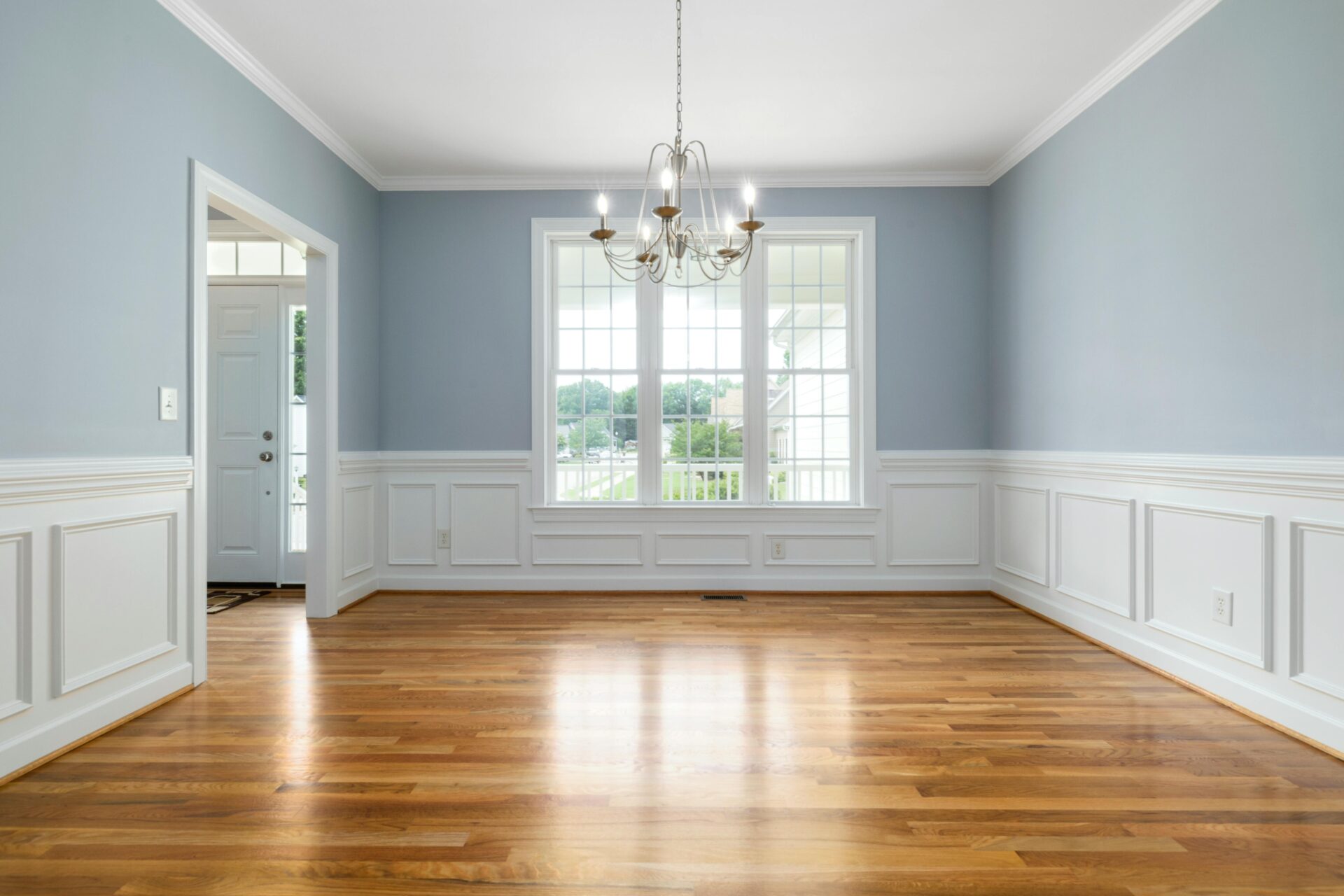
The natural warmth and timeless appeal of hardwood floors make them a favorite for many homeowners. However, even the highest quality hardwood can sometimes develop unwelcome changes in its shape and appearance. Two common issues that perplex many homeowners are cupping and crowning – distinct problems with different causes and solutions.
When your beautiful hardwood becomes a wavy nightmare
You’ve invested in gorgeous hardwood flooring, only to notice something strange happening. The once-flat boards are changing shape—curving upward at the edges or bulging in the center. Understanding whether you’re dealing with cupping or crowning is crucial for proper remediation.
Cupping: The upward-curving edges problem
Cupping occurs when the edges of your hardwood planks rise higher than the centers, creating a concave appearance that resembles a shallow cup. This common issue happens when moisture imbalances affect your flooring:
- The bottom of the boards absorbs more moisture than the top surface
- Edges expand while the center remains stable
- Creates a distinctive “washboard” effect across multiple planks
- Often results from high humidity or water exposure beneath the floor
When cupping occurs, it typically indicates excess moisture coming from below—such as a plumbing leak, high crawl space humidity, or recently mopped floors with too much water left standing.
Crowning: The center-bulging predicament
The opposite problem, crowning, manifests when the center of your hardwood planks rises higher than the edges. This convex shape occurs for different reasons:
- The top surface of the wood absorbs more moisture than the bottom
- The center expands while edges remain stable
- Creates a rounded, hill-like appearance across the boards
- Often follows improper drying of previously cupped floors
Crowning frequently develops after water spills that aren’t promptly cleaned, excessive humidity in the room, or—interestingly—sometimes after attempting to sand down cupped floors before they’ve fully dried.
Diagnosing the difference
To determine whether you’re dealing with cupping or crowning, place a straight edge across your floor boards. If it touches the edges but leaves a gap in the middle, you have cupping. If it touches the middle but leaves gaps at the edges, crowning is your issue.
Both problems stem from moisture imbalance, but proper identification helps determine the appropriate solution. Hasty fixes often lead to worse problems, as sanding cupped floors before addressing moisture issues can actually lead to crowning once the boards dry.
Expert assessment ensures proper flooring restoration
The key to resolving either issue lies in first addressing the underlying moisture problem—whether it’s a leak, humidity control issue, or improper installation. Only after moisture levels stabilize should refinishing be considered.
Identifying moisture sources quickly prevents permanent damage. Hardwood’s natural resilience means many cupped or crowned floors can return to normal once moisture equilibrium returns, though severe cases may require board replacement.
Schedule your professional hardwood inspection today
If you’re experiencing cupping or crowning in your hardwood floors, American Floor & Home is here to help. We specialize in flooring installation throughout Honolulu, Kaneohe, Kailua, Mililani, and Aiea, HI. Our professional team provides free in-home measurements and consultations to address your specific hardwood concerns. Visit our showrooms in Honolulu and Kapolei or take advantage of our convenient shop-at-home service to explore quality hardwood flooring options that will stand the test of time.
You Might Also Like
-
- Hardwood Flooring
- Textured Wood
July 7, 2025
Uncover the World of Wood Floor Texture & How it Impacts Your Home
-
- Hardwood Flooring
- Hardwood Sealing
July 2, 2025
Protect Your Wood Floor Investment with Hardwood Floor Sealants
-

- Hardwood Flooring
- Plank Size
- Shop at Home
June 10, 2025
Understanding the Dimensions: Exploring Hardwood Floor Sizes